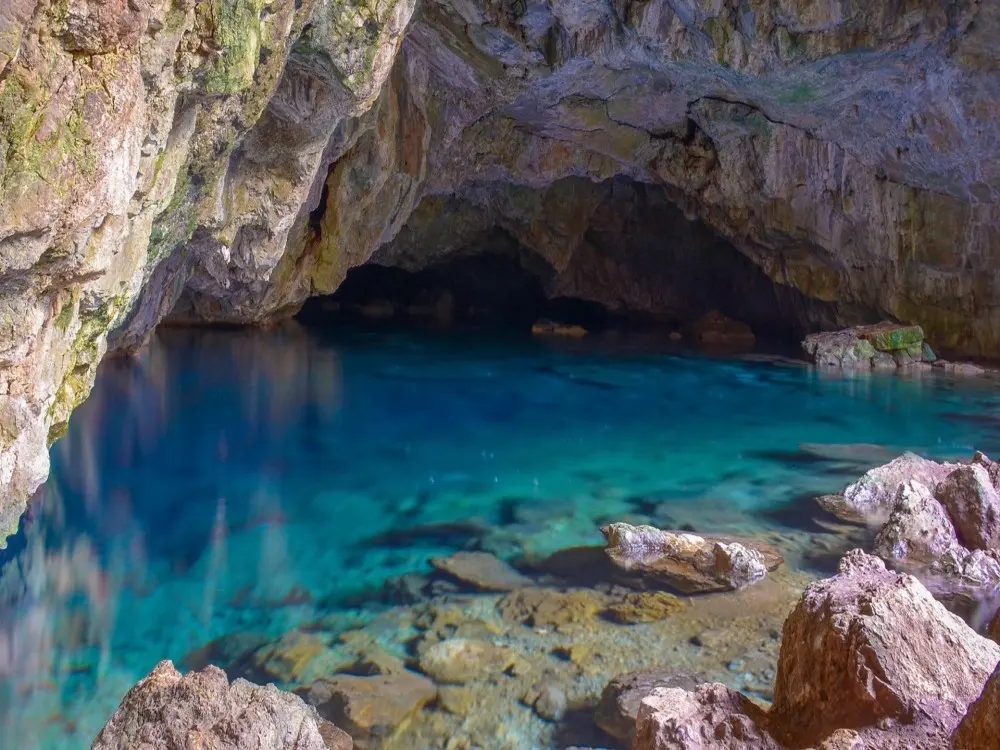
Zeus Cave
Located at the park entrance, this natural spring cave features cool, deep blue waters often associated with local mythology.
Visit before entering the main park gates to avoid midday crowds.

Dilek Peninsula National Park sits 30 kilometers south of Kusadasi's harbor, where the Aegean meets the Büyük Menderes Delta. The 27,675-hectare reserve protects Mediterranean monk seals, Anatolian leopards, and five pebble beaches that receive a fraction of the visitors crowding Kusadasi's resort strips. This guide answers whether the national park justifies a detour from the port city's ancient ruins and package-tour circuit.
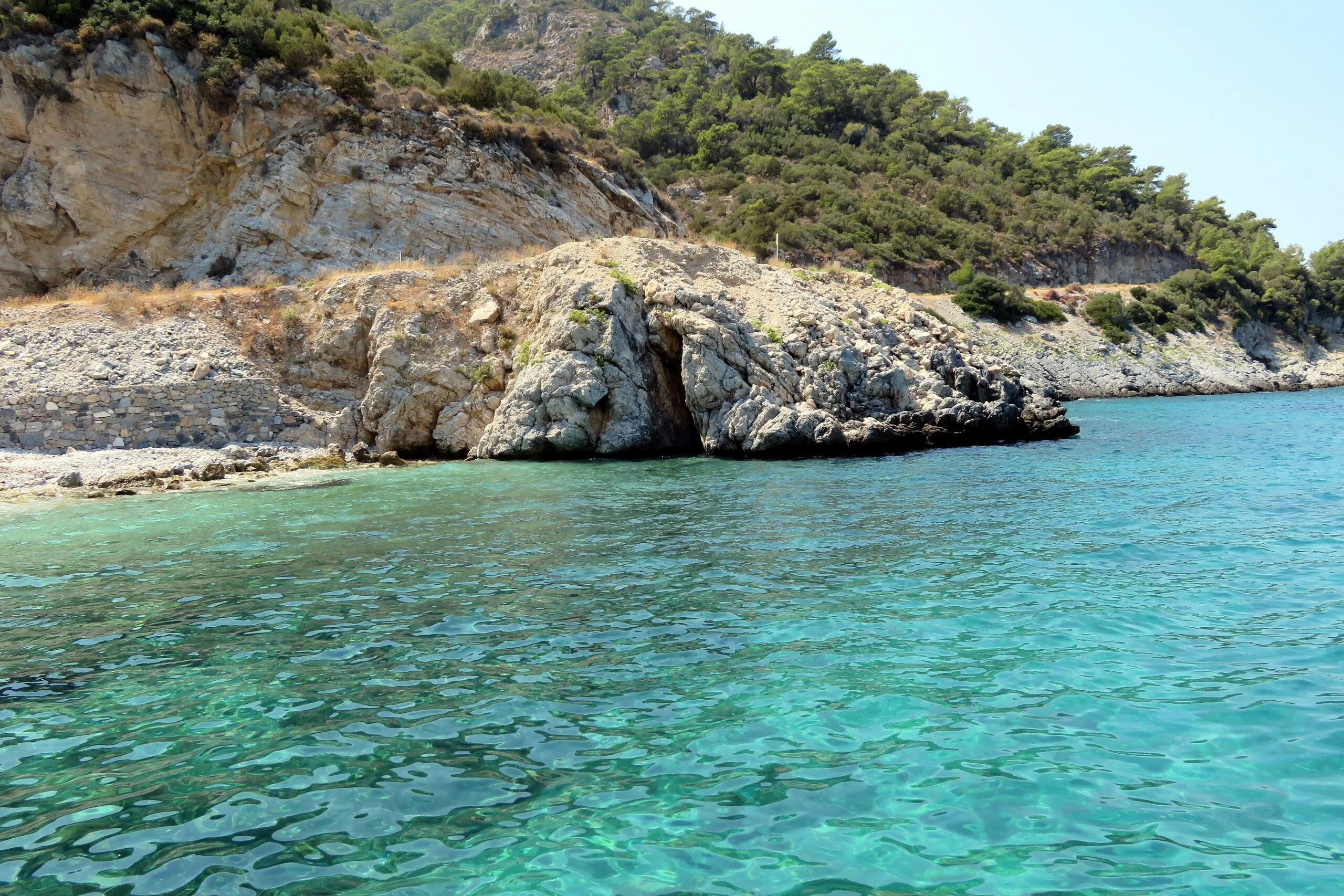
Quick answer
Kusadasi's Dilek Peninsula National Park is worth visiting for travelers seeking protected Mediterranean ecosystems and low-density beaches within day-trip range of Ephesus. The 6-EUR conservation fee grants access to 27,000 hectares of maquis scrubland, oak and pine forest, and five named beaches where Turkish families outnumber international tourists ten to one. Visitors prioritizing untouched coastline over developed resort infrastructure will find the park's trade-offs—dirt access roads, minimal facilities, and a ban on motorized water sports—favorable.
The Aegean coast of Turkey supports only two national parks designated for both terrestrial and marine conservation, and Dilek Peninsula accounts for one. Established in 1966 as a wildlife refuge, the reserve extends from the slopes of Samsun Dağı to underwater meadows of Posidonia seagrass three kilometers offshore. The park's boundary encloses critical habitat for 109 bird species, 34 mammals, and 12 reptiles, several endemic to western Anatolia. Visitors wondering if Kusadasi is worth visiting beyond its role as a gateway to Ephesus will find the national park offers a counterpoint to archaeological tourism. The coastal zone contains five named beaches—Içmeler, Aydinlik, Kavaklıburun, Karasu, and Kalamaki—each accessible by unpaved roads that branch from the main park road. Içmeler, the first beach past the entrance gate, draws the largest crowds. Kalamaki, the furthest at 14 kilometers from the entrance, sees fewer than thirty visitors on weekdays outside Turkish school holidays. The beaches are pebble and coarse sand; the water clarity in the marine protection zone exceeds that of Kusadasi's municipal beaches by an order of magnitude measured in Secchi disk depth. The park enforces a carrying-capacity limit during July and August, closing vehicle access when the parking areas at Içmeler and Aydinlik reach 80 percent. Hikers enter year-round on foot. The 8-kilometer coastal trail from Güzelçamlı village to Içmeler parallels the road through stone pine and Kermes oak. Spring migration—late March through mid-May—concentrates raptors and passerines along the peninsula's ridgeline; birdwatchers document 40-plus species in a morning walk. The park's primate research station, visible from the Kavaklıburun overlook, studies behavioral ecology in a semi-wild troop of rhesus macaques, descendants of animals imported for laboratory work in the 1950s. Deciding whether Kusadasi merits a visit depends on what Mediterranean Turkey means to the traveler. Those seeking the Turkish Riviera's nightlife, all-inclusive resorts, and water-sport operators will find Dilek Peninsula's protected status restrictive. Travelers valuing ecological integrity, solitude on coastline within two hours of Izmir airport, and access to one of the eastern Mediterranean's last functional monk seal habitats will find the park essential.
“The park's boundary encloses critical habitat for 109 bird species, 34 mammals, and 12 reptiles, several endemic to western Anatolia.”
Dilek Peninsula National Park remains open to visitors every day of the week. The park operates on a consistent daily schedule throughout the year.
Dilek Peninsula National Park is located approximately 30 kilometers south of central Kusadasi. The most direct approach is via the coastal road leading to the entrance near Güzelçamlı.
Follow the coastal road south from Kusadasi toward Güzelçamlı (Milli Park Cd.)
Dolmus from Kusadasi city center to Güzelçamlı, then a short local connection or walk to the main gate
Direct transit from Kusadasi hotels to the park entrance
Arrive between 08:00–10:00 to secure parking and avoid peak afternoon heat at the park entrance located at Güzelçamlı, Milli Park Cd., 09430 Kuşadası/Aydın, Türkiye.
Dilek Peninsula National Park offers a diverse landscape ranging from limestone caves to protected coastal coves. These natural features define the area's ecological and recreational value.
Located at the park entrance, this natural spring cave features cool, deep blue waters often associated with local mythology.
Visit before entering the main park gates to avoid midday crowds.
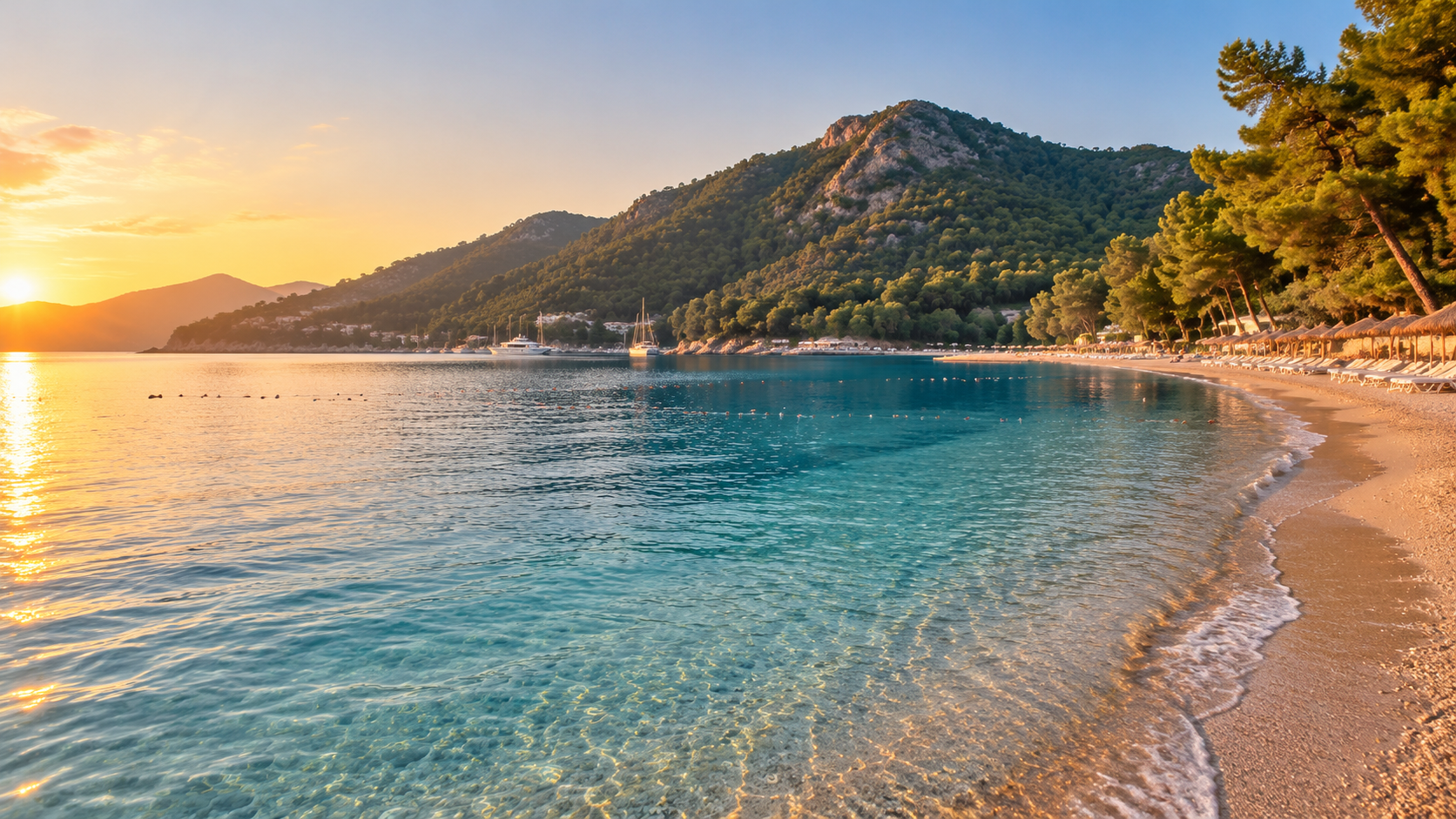
This is the first major beach area encountered within the park, known for its calm, shallow waters and wooded surroundings.
Walk to the far end of the beach for more privacy.
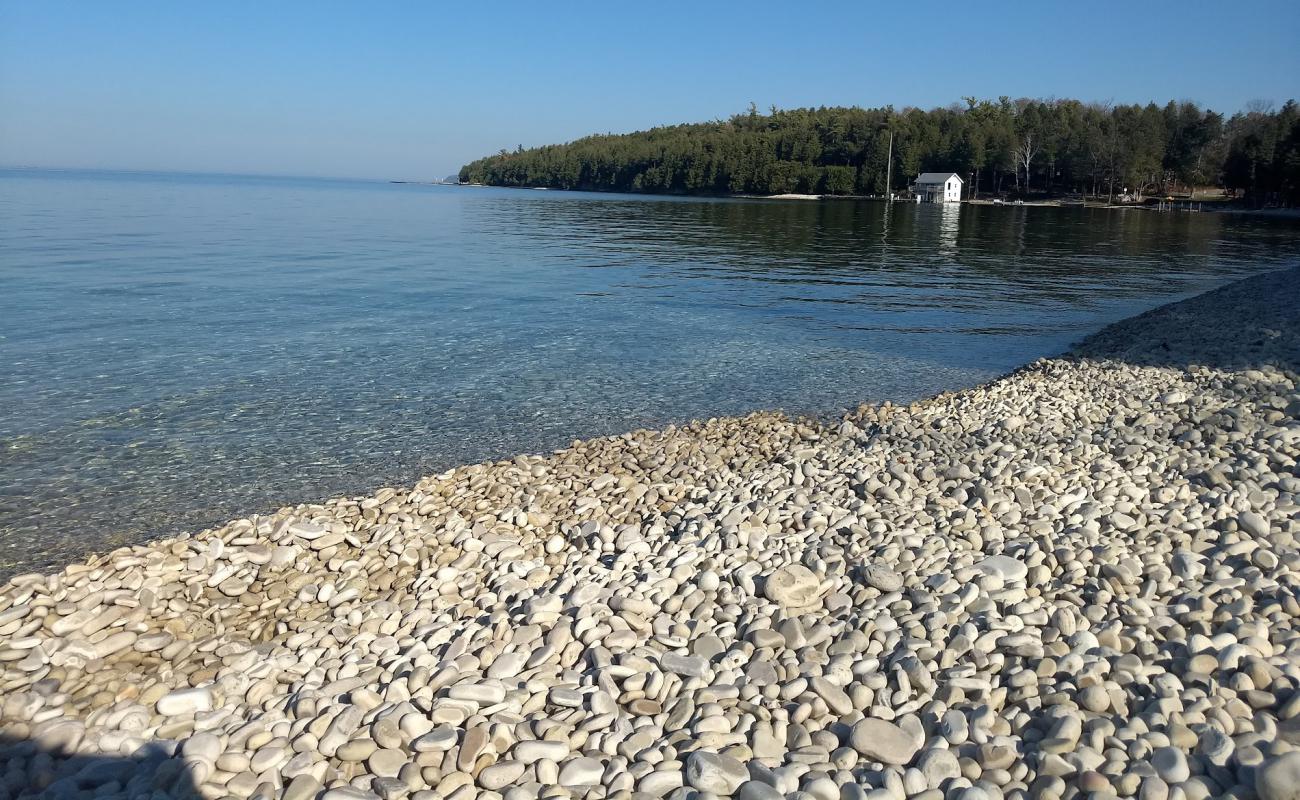
Characterized by its pebble shore and clear water, this bay is frequently visited by the park's wild boar population.
Keep food secure and observe the resident wild boars from distance.
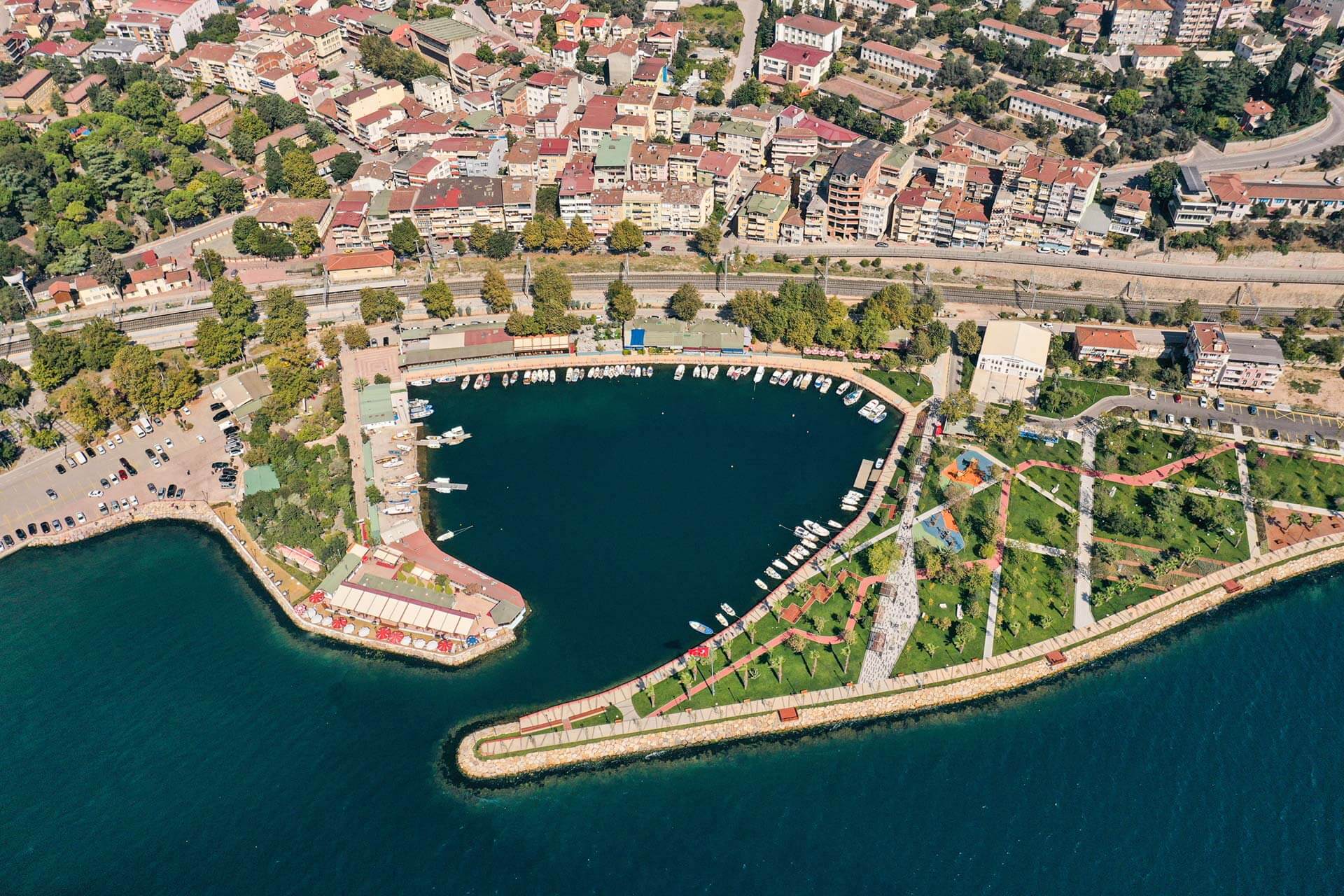
This bay offers deep, clear waters and is surrounded by dense pine forests that provide natural shade.
Bring snorkeling gear to view the marine life near the rocks.
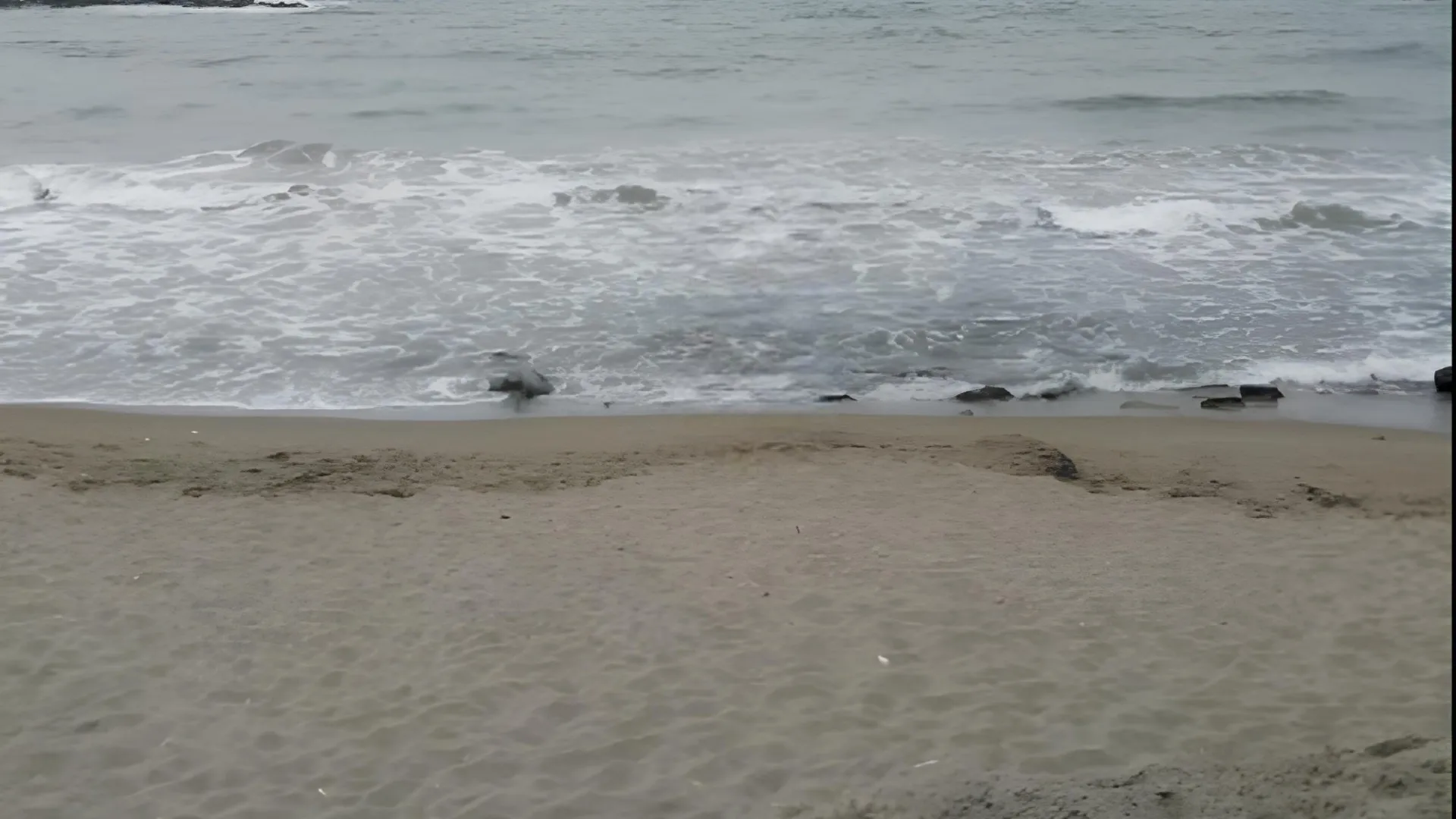
Situated at the end of the road, this secluded spot is ideal for those seeking a quieter environment away from the primary visitor hubs.
Plan for a longer stay as this is the furthest beach.
Effective preparation ensures you maximize your time exploring the trails and coves within Dilek Peninsula National Park.
The park has limited infrastructure, so bring adequate water and enough food for the entire day. Purchases are difficult once you pass the entry point at Güzelçamlı, Milli Park Cd., 09430 Kuşadası/Aydın, Türkiye.
Many paths leading to remote coves are rocky and unpaved. Sturdy sandals or hiking shoes provide better stability than flip-flops when navigating the coastal trails.
Natural shade on the beaches is limited and fills quickly. Bring a portable beach umbrella or lightweight sun shelter to maintain comfort during midday hours.
During peak periods, the park operates internal transport between the primary beaches. Using this service allows you to explore multiple coves without moving your parked vehicle.
The park is home to wild boars that frequent beach areas near bins. Keep all food items secured in bags and never leave snacks unattended on your towel.
Everything you need to know about is kusadasi worth visiting
Yes, the presence of Dilek Peninsula National Park significantly enhances the region's appeal for those wondering if Kusadasi worth visiting. It provides a protected sanctuary of Mediterranean flora and fauna that contrasts with urban tourist areas.
The park features diverse hiking trails and pristine coves, which is a major factor for travelers debating is Kusadasi worth visiting. Its status as a protected biosphere reserve ensures a high-quality environmental experience.
To maximize your visit, the best arrival window is 08:00–10:00. Arriving during these hours helps you secure parking and avoid the peak afternoon heat.
There is a conservation fee of 6 EUR per person for entry. Please plan your budget to include this required contribution for park maintenance.
The park's calm waters and shaded picnic areas make it an ideal destination, reinforcing why is Kusadasi worth visiting for families. Many visitors find the combination of beach time and forest scenery perfectly suited for all ages.
The park offers rugged cliffs and crystal-clear Aegean waters that provide a distinct alternative to standard resort beaches. These geographical features are a primary reason travelers ask if Kusadasi worth visiting.
The park is open daily from 08:00 to 18:00. This consistent schedule allows for full-day excursions throughout the week.
While the park itself does not manage tours, various local operators provide jeep tours and transport services. These services simplify logistics and help you explore the peninsula's hidden spots efficiently.